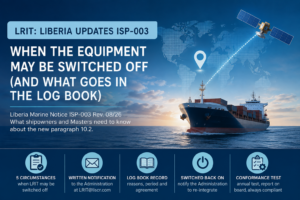

Ensuring Compliance and Safety in Hazardous Shipboard Areas
Keywords: certified safe-type electrical equipment, hazardous areas, tanker safety, gas carrier safety, SOLAS Chapter II-1, IEC 60079-17, shipboard electrical maintenance, IGC Code, marine safety audit, port state control
As vessels operating in hazardous environments—such as oil tankers and gas carriers—are subject to the strictest safety requirements, one critical area of focus is the correct installation and maintenance of certified safe-type electrical equipment. Improper handling of such systems not only endangers lives and the marine environment but frequently results in port state deficiencies and costly operational delays.
This advisory provides practical guidance for shipowners, operators, recognized organizations, inspectors, and masters to ensure only trained and certified personnel are involved in these safety-critical activities.
🚨 Why It Matters: Safety & Compliance at Stake
Hazardous areas onboard are locations where explosive gas atmospheres are present or likely to occur. In these zones, electrical equipment must meet stringent protective standards to avoid ignition sources. Such equipment—commonly referred to as “certified safe-type”—requires proper handling to retain its safety integrity.
When untrained personnel install or maintain these systems, compliance with international safety standards can be compromised. According to USCG Marine Safety Alert 05-20, and flag and port state reports, incorrect installation or unauthorized modifications are recurring causes of serious deficiencies.
⚙️ What Is Certified Safe-Type Equipment?
Certified safe-type equipment is specially engineered for explosive or flammable environments and is typically installed in accordance with:
- SOLAS Chapter II-1, Regulation 45
- IGC Code (Chapter 10)
- IBC Code (Chapter 10)
- IEC 60092-502 & IEC 60079-17
- ILO MLC 2006, Regulation 1.3
These codes define not just the equipment’s features, but the standards for maintenance, inspection, and personnel competency.
📘 Guidance for Shipowners & Operators
To ensure compliance and minimize risk, Marine Surveyor Consultant Sagl recommends the following:
✅ 1. Training Requirements
Personnel (shore-based or onboard) installing or maintaining certified safe-type electrical systems in hazardous areas must be trained in line with IEC 60079-17 and IEC 60092-502. Training should include:
- Understanding equipment classifications and hazardous zones
- Proper installation and inspection techniques
- Preserving equipment integrity during maintenance
✅ 2. Documentation of Competency
- Shore-based personnel: Must provide training certificates upon request during operations onboard.
- Shipboard personnel: Must carry valid training evidence onboard throughout their assignment.
✅ 3. Internal Oversight
- Ensure your Safety Management System (SMS) includes checks on electrical competency requirements.
- Integrate this into your pre-vetting inspections and internal ISM audits.
⚠️ Common Pitfalls Identified in Marine Audits
At Marine Surveyor Consultant Sagl, our inspection reports frequently note recurring issues such as:
- Use of non-certified cable glands or junction boxes in Zone 1 areas
- Lack of documentation verifying personnel training
- Equipment modifications that void Ex certification
- Improper sealing and corrosion protection
Avoiding these findings is crucial not only to pass inspections but to ensure crew safety and regulatory compliance.
🚢 Need Assistance?
Whether you’re preparing for a vetting inspection, conducting internal audits, or updating your onboard procedures, Marine Surveyor Consultant Sagl offers:
- Crew training audits
- Hazardous area compliance checks
- Pre-vetting inspections
- ISM/ISPS/MLC internal audits
📩 Contact us at www.marine-safety-consultant.ch to schedule a consultation or inspection.
📚 References:
a. SOLAS Chapter II-1, Regulation 45
b. IGC Code, Chapter 10 – Res. MSC.5(48), MSC.370(93)
c. IBC Code, Chapter 10 – Res. MSC.4(48)
d. IEC 60092-502 – Electrical Installations in Tankers
e. IEC 60079-17 – Explosive Atmospheres: Inspection and Maintenance
f. ILO MLC 2006, Regulation 1.3
g. USCG Marine Safety Alert 05-20